


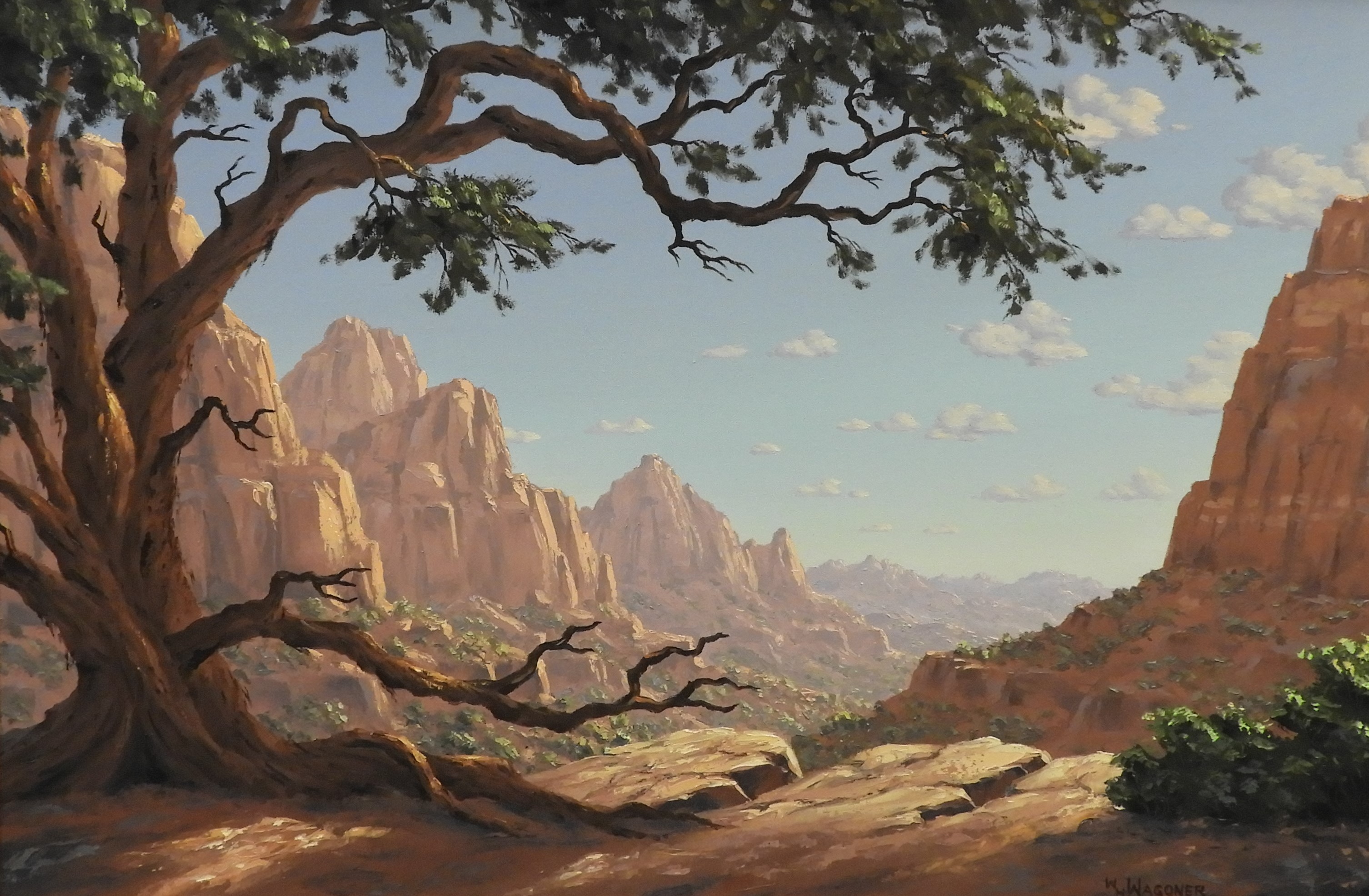
Zion National Park, located in the state of Utah, is one of the most significant natural landscapes in the United States. Established as a national park in 1919, Zion is known for its massive sandstone cliffs, narrow canyons, and unique desert ecosystem. The park represents millions of years of geological history shaped by erosion, uplift, and river activity.
The name “Zion” was given by early settlers and is often associated with a place of refuge or sanctuary. Today the park remains an important natural and historical site, attracting researchers and visitors interested in geology, ecology, and the natural history of the American Southwest.
Early History of Zion
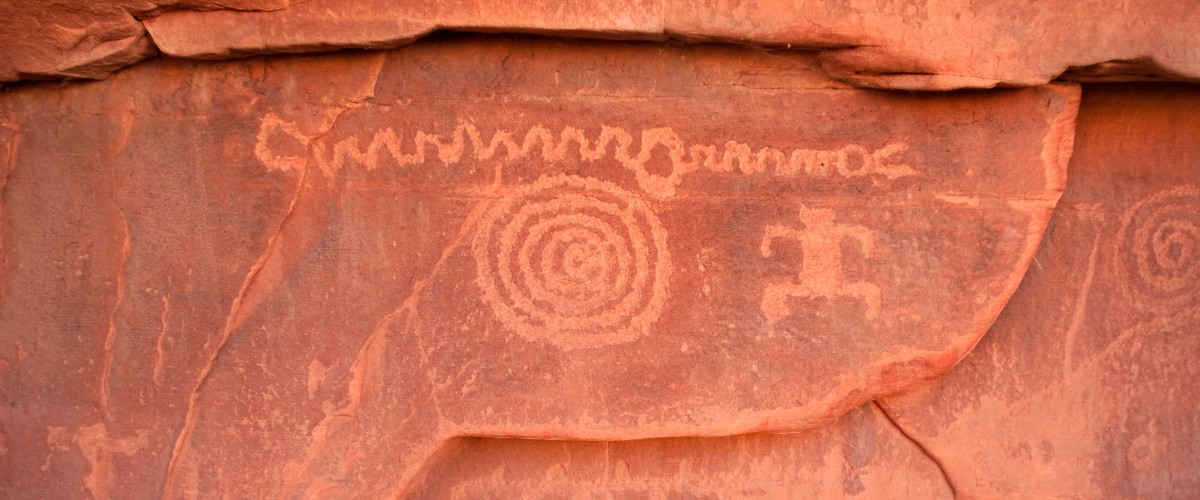

The region that is now Zion National Park has been inhabited by Native American groups for thousands of years, including the Ancestral Puebloans and later the Southern Paiute people. These communities lived in the canyon and surrounding areas, adapting to the desert environment and using available natural resources.
In the nineteenth century, European-American settlers, including members of the Mormon community, arrived in the region. They named the area Zion, reflecting its perceived beauty and significance.
The area was later designated as a protected landscape, eventually becoming a national park in the early twentieth century.
Zion Canyon and Geological Formation
Zion Canyon


Zion Canyon is the central feature of the park and is known for its towering sandstone cliffs that rise dramatically above the canyon floor. These cliffs were formed over millions of years through sediment deposition followed by uplift and erosion.
The Virgin River played a major role in shaping the canyon, gradually cutting through layers of rock to create the deep and narrow formations visible today. The canyon walls display distinct layers of sedimentary rock, providing insight into the geological history of the region.
Notable Landforms in Zion
Angels Landing


Angels Landing is one of the most well-known rock formations in Zion National Park. The formation rises above the canyon and provides a clear view of the surrounding landscape.
The narrow ridge and steep cliffs make it one of the most recognizable features in the park. Its geological formation reflects the same natural processes that shaped the broader Zion Canyon.
The Narrows


The Narrows is a section of Zion Canyon where the canyon walls become extremely narrow and the Virgin River flows between them. In some areas, the canyon walls rise hundreds of feet while the river remains only a few meters wide.
This natural formation provides a clear example of how water erosion can shape rock formations over long periods of time.
Ecosystems and Wildlife
Zion National Park supports a variety of ecosystems due to differences in elevation, water availability, and climate. These ecosystems include desert environments, riparian zones along rivers, and higher elevation forests.
Wildlife found in the park includes:
- Desert bighorn sheep
- Mule deer
- Rock squirrel
- Golden eagle
These species are adapted to the park’s diverse environmental conditions and contribute to the ecological balance of the region.
Zion’s Geological and Historical Importance
Zion National Park provides valuable insight into the geological history of the Colorado Plateau region. The visible rock layers represent different periods of Earth’s history, offering scientists and researchers an opportunity to study long-term geological processes.
The park also reflects the cultural history of Native American communities and early settlers who lived in the region. These combined natural and historical elements make Zion an important site for both environmental and cultural study.
Also Read :- Yosemite National Park Guide: Hikes, Views & Waterfalls
Significance of Zion National Park Today
Today Zion National Park remains one of the most visited and studied national parks in the United States. Its dramatic landscapes, geological formations, and ecological diversity make it a key location for scientific research and environmental education.
Zion continues to represent the importance of preserving natural landscapes while providing opportunities to understand the history and development of the Earth’s surface.